Best smart rings
A comparison and practical guide to choosing the smart ring that best suits your life: health, sleep, notifications, and design. Pros, cons, and buying tips.
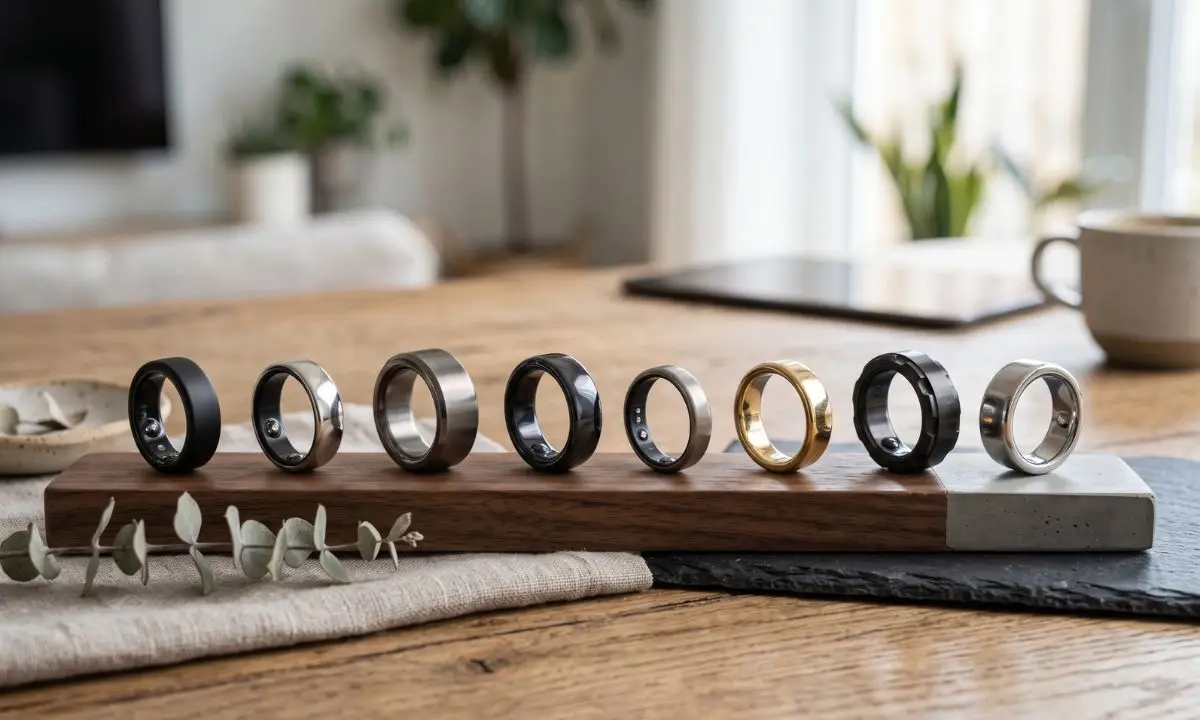
If you're looking for a smart ring that tracks sleep, activity, and health without sacrificing style, here's a practical guide to choosing the right one. Below, I'll summarize the most popular options, what they actually measure, and how to choose based on your priorities: battery life, accuracy, comfort, or app integration.
What can a smart ring do and why choose it over a watch?
A smart ring is designed to monitor basic biometric data (heart rate, heart rate variability, body temperature, steps, and sleep) from the finger joint. Its main advantage over a smartwatch is discretion: it's smaller, more comfortable to sleep in, and often more aesthetically pleasing. If you prioritize sleep tracking, recovery metrics, and a product that doesn't interfere with clothing or using a phone, a ring might be a better option than a watch.
Below you will find an analysis of models, purchasing criteria, common mistakes, and real-world use cases to help you decide quickly.
What are the best smart rings on the market today?
Here's a selection based on sensor accuracy, battery life, app quality, and user experience. They're ordered according to different priorities: health and sleep, battery life, design, and value for money.
- Oura Ring (recent models): stands out for its sleep algorithm and recovery metrics. Ideal if you're looking for in-depth data on sleep stages, HRV (heart rate variability), and nighttime temperature. Its app offers actionable recommendations and a clear history.
- Motiv Ring (if available in your region): It was popular for its minimalist design and basic activity tracking. A good option for those who prioritize aesthetics and simple notifications.
- Circular Smart Ring: Recent models compete in accuracy and price. They typically offer step tracking, sleep monitoring, and notifications, and some include automatic activity detection.
- Samsung (or other major brands): Some brands have tested smart rings as a concept. Check for support, updates, and ecosystem compatibility (Android/iOS).
- Emerging brands (Fitness Rings): startups offer affordable alternatives that cover the basics: sleep, steps, and alerts. They're useful if you want to try the format without a big expense.
Note: Availability and exact models change rapidly. Check compatibility with your phone and the company's privacy policy.
How to choose the right smart ring for you?
Consider the following before you buy:
- Data you really need
- Want in-depth sleep and HRV analysis? Look for models with clinical trials or a good reputation for nighttime accuracy (e.g., Oura).
- Are you satisfied with just taking steps and getting a general sleep? There are also budget-friendly alternatives that might work.
- Autonomy and charging
- Battery life is critical: some rings last 4-7 days, others up to 7-14. If you travel often, prioritize longer battery life.
- Size, fit, and comfort
- The rings come in different sizes and materials (titanium, ceramic, steel). A loose fit reduces accuracy; one that is too tight is uncomfortable.
- App and analysis
- Software quality does most of the work: look for apps with history, metric explanations, and data export.
- Privacy and data export
- Can you download your data or integrate it with Apple Health/Google Fit? Review the privacy policy to find out who has access to your measurements.
- Notifications and extra features
- Some rings only monitor; others allow call notifications or payments (NFC). Decide if these features justify the price.
Step-by-step guide to getting started with a smart ring
- Define your goal
- Sleep improvement, stress tracking, activity monitoring, or simply curiosity.
- Measure your size correctly
- Follow the manufacturer's guide: measure the circumference of your finger at different times of the day (fingers change with temperature and activity).
- Configure the app from day one
- Enter personal data (weight, age, schedules) to calibrate the metrics.
- Wear the ring at night for at least 7-14 days
- To obtain a reliable baseline, you need several cycles of sleep and activity.
- Review trends, not specific values
- Observe weekly changes and how your body responds after modifying sleep, exercise, or stress.
- Keep the ring clean and properly charged
- Dirt and damp skin can affect the sensors. Dry it and clean it with a soft cloth.
What metrics do the rings take and how to interpret them?
- Step and activity: They count steps and detect movement. They're not as accurate as GPS watches for distance, but they're useful for tracking trends.
- Heart rate (HR): continuous or nocturnal measurement depending on the model. Useful for detecting stress peaks or recovery.
- Heart rate variability (HRV): an indicator of recovery and workload. A high HRV usually indicates a good recovery status.
- Skin temperature: nighttime variations may indicate menstrual phase, incipient fever, or changes in sleep pattern.
- Sleep stages (light, deep, REM): The rings use accelerometers and optical sensors to estimate these. They are useful for visualizing sleep architecture, although they do not replace a clinical study.
- Breathing and snoring (on some models): detects abnormal breathing patterns; if recurring alarms occur, consult a professional.
How to use each metric: prioritize the trend and combine variables (e.g., sleep + HRV) to decide if you need to rest more or lower the intensity of your training.
Common mistakes when using a smart ring and how to avoid them
- Expect clinical accuracy: a ring is not a substitute for a medical examination or a polysomnograph. Use it as a guide.
- Not adjusting the size correctly: a loose or too tight ring will give inaccurate readings. Measure and try it on before buying if possible.
- Review the data obsessively: small fluctuations are normal; look for trends.
- Forgetting hygiene and maintenance: sweat, creams and dirt affect sensors.
- Ignore app permissions: some collect a lot of data; limit permissions and review export settings.
Quick comparison: smart ring vs sports watch
- Sleeping comfort: ring > watch
- GPS accuracy: watch (if it has GPS) > ring
- Notifications in view: watch > ring
- Aesthetics and discretion: ring > watch
- Battery (depending on the model): variable; some rings have better battery life.
If your priority is better sleep and tracking recovery, a ring has the advantage. If you need GPS for running or to view important notifications, a watch is more appropriate.
Use cases: who should buy a smart ring
- People who want to prioritize sleep quality and recovery after workouts.
- Style-conscious users who prefer a discreet wearable.
- Those looking to complement their tracking with nighttime data that is more reliable than an uncomfortable watch.
- It's not the best option for runners who rely on built-in GPS and for those who need a screen to interact with.
Practical tips before buying
- Read reviews from real users and independent tests focused on sleep accuracy and HRV.
- Check the warranty and technical service policy: repair or replacement is usually expensive.
- Check compatibility with your operating system and whether the app exports data to Apple Health or Google Fit.
- Consider buying a case or insurance if you travel or work with your hands.
If you'd like to explore other guides on wearables and digital health comparisons on the site, check out the homepage and sitemap for in-depth related articles: https://lobitoisaias.com and https://lobitoisaias.com/sitemap.xml
Frequently Asked Questions
- Are smart rings reliable for measuring sleep?
Sleep rings offer a useful estimate of sleep and are generally more comfortable than a sleep watch. They are reliable for detecting general patterns and stages, but they are not a substitute for a clinical study (polysomnography) if you suspect a sleep disorder.
- Can I bathe or swim with a smart ring?
It depends on the model. Many modern rings are water-resistant (IPX or ATM), but the resistance varies: check the manufacturer's rating before swimming or showering with it.
- Does a smart ring detect stress?
Indirectly: it measures heart rate and HRV, which are indicators of workload and recovery. The apps interpret this data and offer stress measurements, but it's not a medical diagnosis.
- How do I choose the right smart ring size?
Measure your finger circumference at different times of day and follow the manufacturer's guide. If you're unsure, some manufacturers offer trial rings or exchange policies to help you find the right size.
- What battery life is realistic?
The battery typically lasts between 3 and 14 days depending on the model and usage. Continuous heart rate monitoring and frequent notifications reduce battery life, while basic use extends it.
Conclusion
Smart rings have matured and now offer valuable sleep and recovery data with great comfort. If your priority is to sleep better, understand your recovery after exercise, or simply wear a discreet wearable, a ring is an excellent option. Before buying, define your priorities (battery life, accuracy, design), ensure you get the right size, and review the privacy and compatibility policies.
Would you like me to recommend specific models based on your budget and goals? Tell me how much you want to invest and what metrics interest you, and I'll send you a personalized selection with advantages and caveats.