Why does my phone get hot when I use fast charging?
Discover why your phone gets hot when using fast charging, what the main causes are, and how you can protect your device to extend its lifespan without sacri…
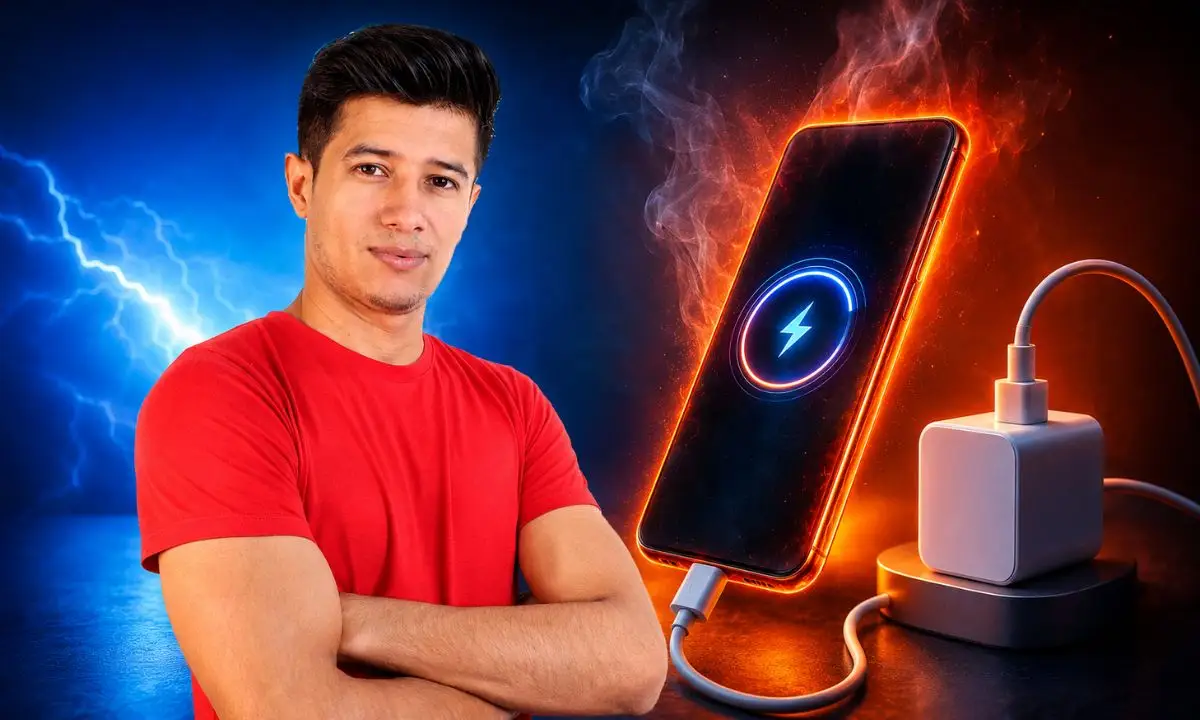
Fast charging is a technology that allows us to have our phones ready in less time. However, it's common for the device to get hot during this process. Why does this happen? The answer lies in how fast charging works and in the phone's hardware and software characteristics. Here we explain the main causes, the risks involved, and how to prevent heat from affecting your phone.
Why does fast charging generate heat in the cell phone?
Fast charging works by increasing the amount of energy delivered to the battery in less time than usual. To achieve this, the charger and phone work together to supply a higher voltage and current than normal.
This increased energy transfer causes the internal components, especially the battery and charging circuit, to generate more heat. The phenomenon is similar to what happens when a motor operates at higher intensity: it produces more heat.
In addition, the chemistry of lithium-ion batteries, which are used in most cell phones, also contributes to heating during fast charging because the internal chemical reactions are accelerated.
Is it normal for the phone to get hot with fast charging?
Yes, to a certain extent. A moderate increase in temperature is expected and shouldn't be cause for alarm. Modern phones are designed to withstand that heat and have protective systems to prevent further damage.
However, if you notice that your phone gets too hot, to the point of being uncomfortable to touch or turning off by itself, it could be a sign of a problem that should be checked.
Factors that increase heating during fast charging
- Charger and cable quality: Using non-original or low-quality chargers or cables can generate an irregular power flow, causing more heat and risks to the battery.
- Using your phone while charging: Playing games, watching videos, or using heavy applications while charging increases energy consumption and internal temperature.
- Hot environment: Charging your cell phone in places with high ambient temperature increases the accumulated heat.
- Thick case or cover: Some materials hinder the dissipation of heat from the device.
- Damaged battery: If the battery is already worn or damaged, it may get hotter during fast charging.
- Background updates or processes: Sometimes, the phone runs updates or synchronizations that increase power consumption while charging.
Can the phone get damaged if it gets hot while charging?
Excessive heat can affect battery health and the lifespan of other internal components. Continuous exposure to high temperatures can:
- Reduce battery capacity faster than normal.
- To cause swelling or deformation of the battery.
- Affect the overall performance of the cell phone.
Therefore, it is important to control the load conditions to prevent the heat from reaching harmful levels.
How to keep your phone safe while using fast charging
- Always use original or certified chargers and cables. This ensures a stable and safe power supply.
- Avoid using your phone for demanding tasks while it's charging. If you need to use it, make sure the apps don't require too much processing power.
- Charge in a cool, well-ventilated place. Avoid leaving your phone in direct sunlight or on surfaces that retain heat.
- Remove the case or cover while charging if you notice your phone getting very hot. This helps dissipate heat more effectively.
- Keep your operating system and applications up to date. Updates often include improvements in power management.
- Don't leave your phone charging overnight or for unnecessarily long periods. This can generate unnecessary heat.
What to do if your phone gets too hot while fast charging?
- Disconnect the charger immediately to avoid further damage.
- Let the phone cool down in a cool, ventilated place.
- Check the charger and cable; consider using another original one to rule out problems.
- Avoid using fast charging temporarily and try charging at a lower speed to see if the problem persists.
- If the problem persists, consult an authorized service center to have the battery and charging system checked.
Differences between fast charging and conventional charging in terms of heating
- Conventional charging uses lower voltage and current, which generates less heat and is gentler on the battery.
- Fast charging shortens charging time at the cost of increased heat, so the phone must manage that heat to avoid damage.
- Some phones have advanced technologies to better dissipate heat or automatically reduce speed when the temperature rises.
What technologies help control heat during fast charging?
- Intelligent power management: The phone regulates voltage and current according to temperature and battery status.
- Cooling systems: Some models include vapor chambers, heat pipes, or materials that dissipate heat better.
- Optimized firmware: Updates that improve efficiency and reduce heat generation.
Myths and truths about fast charging and overheating
- Myth: Fast charging always damages the battery.
Fact: If used correctly and with original equipment, fast charging is safe and should not significantly shorten the lifespan.
- Myth: Fast charging with the phone turned off does not generate heat.
Fact: Although the cell phone generates less heat from use when turned off, the battery still heats up due to energy transfer.
- Myth: It's best to never use fast charging to protect your phone.
Truth: Using fast charging occasionally is fine, but to prolong battery life, alternating with slow charging can be beneficial.
How to choose a fast charger that won't overheat your phone
- Look for chargers with recognized certifications (e.g., USB-IF, QC, PD).
- Choose reliable brands or the original charger from the manufacturer.
- Check that the charger has overheat and overcurrent protection.
- Read reviews and opinions from other users about thermal performance.
Internal links for further information
To learn more about battery care and tips for optimizing your phone, you can check out these resources:
- How to care for your cell phone battery so it lasts longer
- [The best tips to improve your smartphone's performance](https://lobitoisaias.com/mejorar-rendimiento-smartphone)
- Are fast chargers worth it? Benefits and risks
Frequently Asked Questions
Why does my phone get hotter when I use fast charging?
Because fast charging increases the flow of energy to fill the battery in less time, it generates heat due to the additional strain on the battery and circuits.
Is it dangerous for the phone to get hot during fast charging?
Not always; moderate heat is normal. But if the heat is excessive or persistent, it can damage the battery and other components.
Can I use any charger for fast charging?
No, ideally you should use original or certified chargers and cables to avoid overheating problems and damage.
How can I prevent my phone from overheating when fast charging?
Charge in cool places, avoid using the phone while charging, remove the case if it is very thick, and use quality chargers.
Does fast charging reduce battery life?
While it does generate more heat, which can affect the battery, modern cell phones regulate the charge to minimize damage, so its impact is moderate if used correctly.